animated food 🥗🍳🍧
🧀 an exploration of why animated food appeals to us so much, and what makes it different 🧀
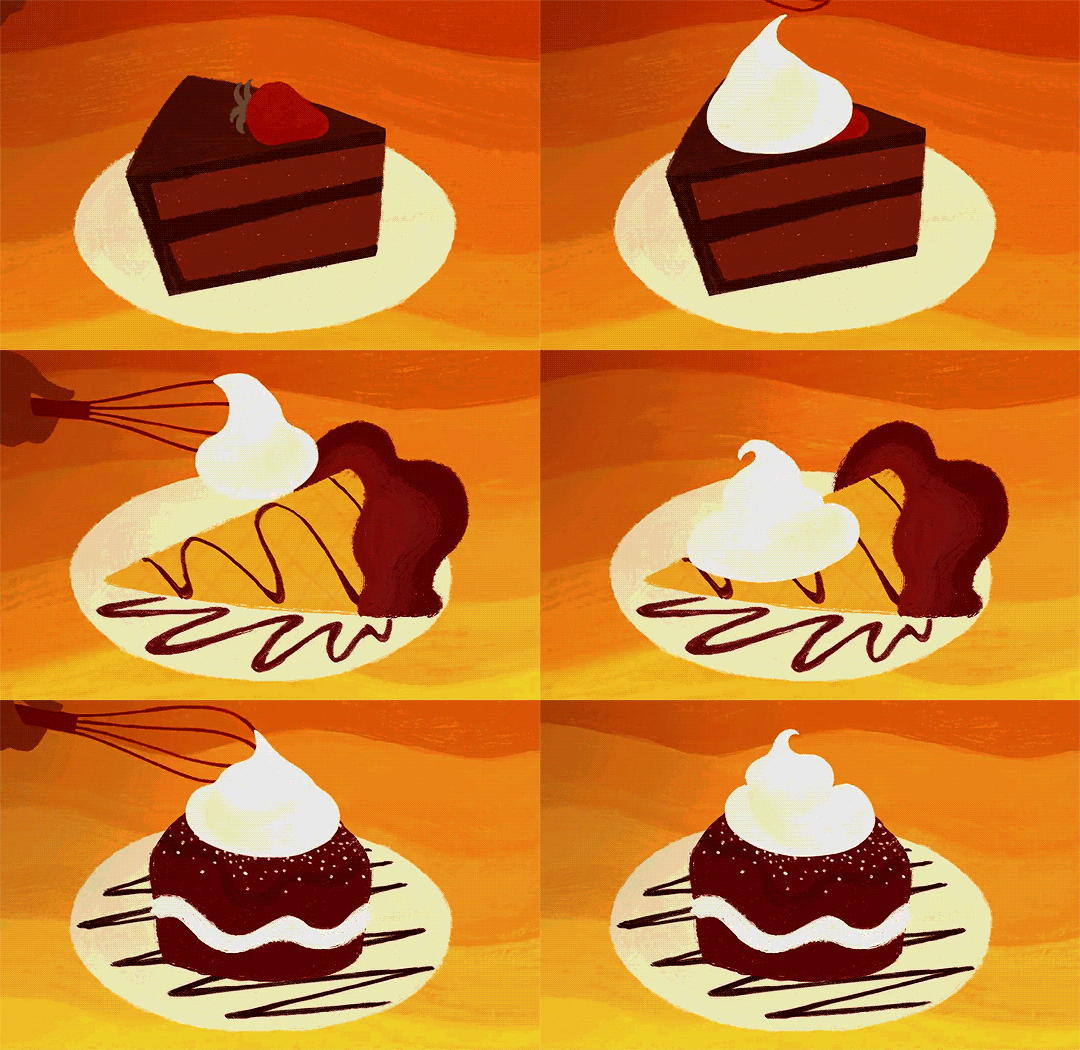
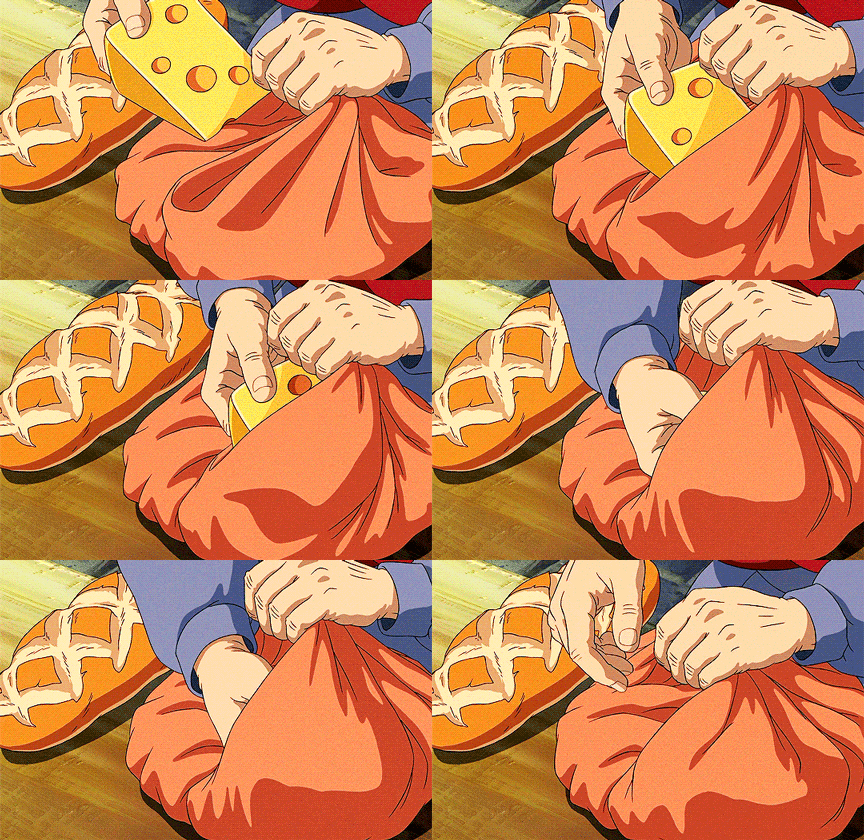

characteristics
close-up camera angles1
vibrant colors
has a use in the narrative2
not always realistic
"cute"
reminiscent of "food porn"
well-lit (through animation)
exaggerated quality
actually seen being eaten
These characteristics can also be applied to animated objects that are not "food", but still give us the same feelings.
why does animated food appeal to us so much?
Food has been animated almost as long as animation has been around. It originally featured most prominently as a source of slapstick comedy, or was otherwise seldom used as anything but a prop.3 Eventually, though, "cooking and eating [were moved] toward the center of the plot and of the character arcs" and "animators [...] refined their drawing techniques to provide realistic representations [of] that dialogue with the visual style of fictional films."4 This means, tellingly, that food began to look more appealing on screen, sometimes to an extent that would be impossible to achieve in real life.
The look of the food is not all, however. Animated food also:
taps into the "universal activity" of eating, which holds "enormous emotional and cultural power, and...is able to elicit visceral reactions and passionate opinions."5
plays an emotional and functional role in the plot through its creation of tone, mood, themes, etc.
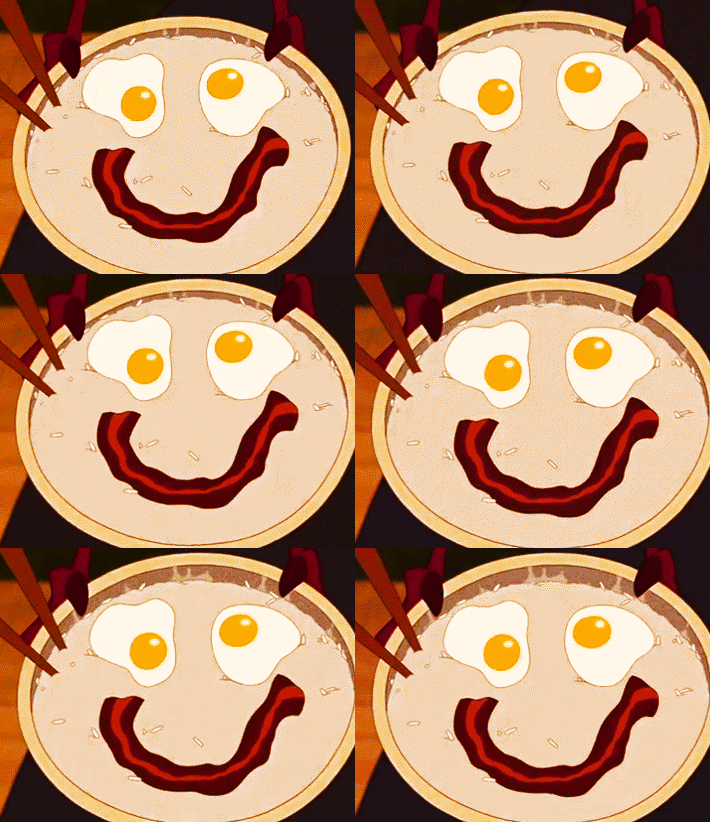
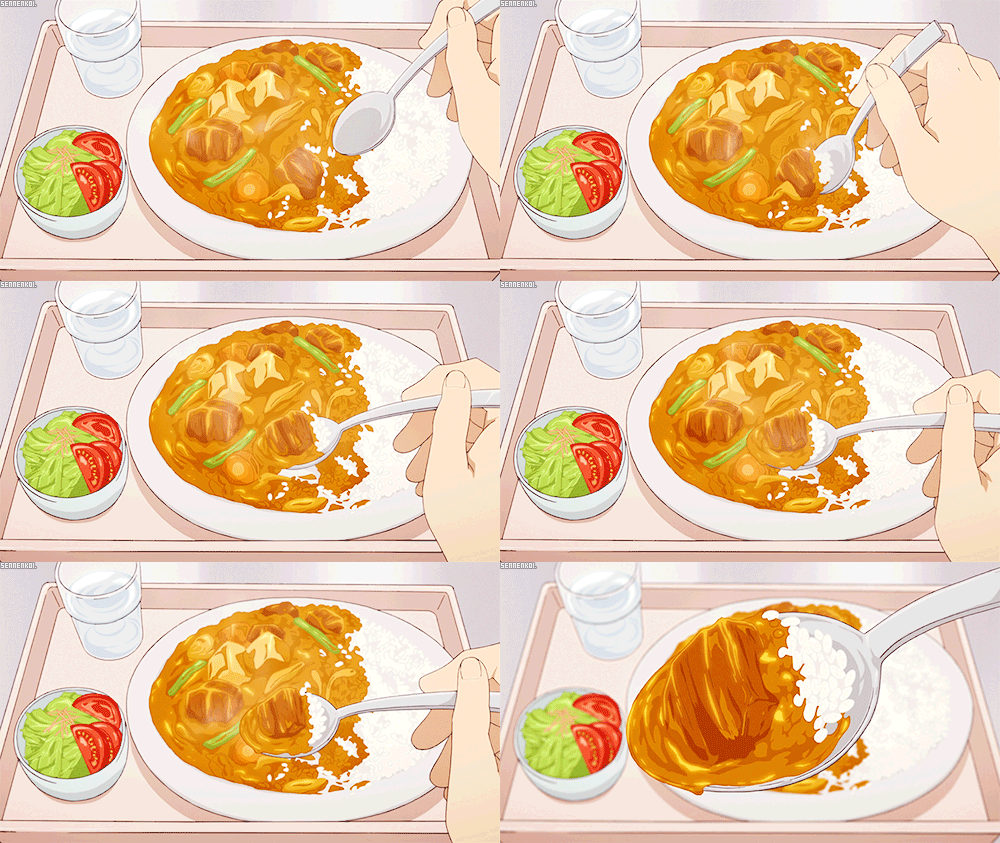
Essentially, animated food is more than just food. It is a microcosm of sensation, feeling, and meaning--characteristics that often combine to form good memories attached to the film/show the food was a part of. Animated food is oftentimes not just food for the sake of food in the way that, say, Instagram food porn is, or other types of food media. Having complete control over how it looks also contributes to the lasting memory of it.
To summarize, we like animated food because...
it has the potential to look better than real food due to animation techniques and freedom;
it is often associated with a narrative tone and/or invested with narrative meaning that makes it memorable and appealing;
food is inherently knowable to us and thus can convey visceral reactions very easily.
From where do you enjoy seeing animated food the most?
the implications...
the implications...
Culture
Even just a cursory glance through the Pinterest and Tumblr search results for "animated food" shows a preoccupation with food from or produced in one country: Japan.Japan has been the subject of aestheticization for years now, and it's clear that the realm of food media is no exception. "Anime food" and particularly food from Studio Ghibli films are the focus of a large swath of animated food-focused media and discourse in the West, likely due to our fascination with the culture of Japan and how different it is from ours. Throughout the West, Japan is a country that has historically been considered more "modern" and "civilized" than other Asian countries, which explains why their food/media in particular is spotlighted even though it shares many similarities with other (East) Asian foods."Western" and East Asian (Japanese) food are the most popular kinds of food to be shown in animation. African, South American, Eastern European, South Asian, and (to a slightly lesser extent) Latin American foods appear more rarely, likely due to occupying a non-hegemonic status in culture and having less access to tools of animation.Outside of what animated food is most "popular" on social media, within the narrative it also showcases cultural characteristics of the world it is found in. Time and place, what foods are important to which culture (according to the filmmakers), and how they are eaten are all expressed through the animation in one way or another. Normative forms are created through these media.
Class
Animated food contributes to class dynamics through its role in advertising, who it shows eating what, and the narrative it creates around those facts. Long, lovingly animated shots of chefs preparing a meal can "[reflect] the relevance of cooking in the civilizing process"6; well-animated food can appear in, say, a McDonald's commercial (↓), and influence us to go and buy the meals being advertised to us. In essence, "entertaining narratives and catching visuals can disguise cultural bias, social dynamics, and power hierarchies, providing conservative undertones that are increasingly--and dangerously--common in food media and contemporary culinary discourses"7.As anything in media, food can serve a variety of purposes, and the meaning is often in the eye of the beholder or the pen of the author; however, animated food is unique due to the ease with which it can be re-shared and repurposed as an aesthetic artifact, thereby inadvertently reproducing norms regarding food.
the implications...
Emotional connection
Food and cooking in general does, of course, have the potential to strike emotional chords inherently, animated or not. But the vibrancy of animated food, the familiarity with which characters treat it, the hunger they feel toward it, the way it moves--all of these characteristics can make animated food have a greater emotional impact. Take a look at these gifs/images:
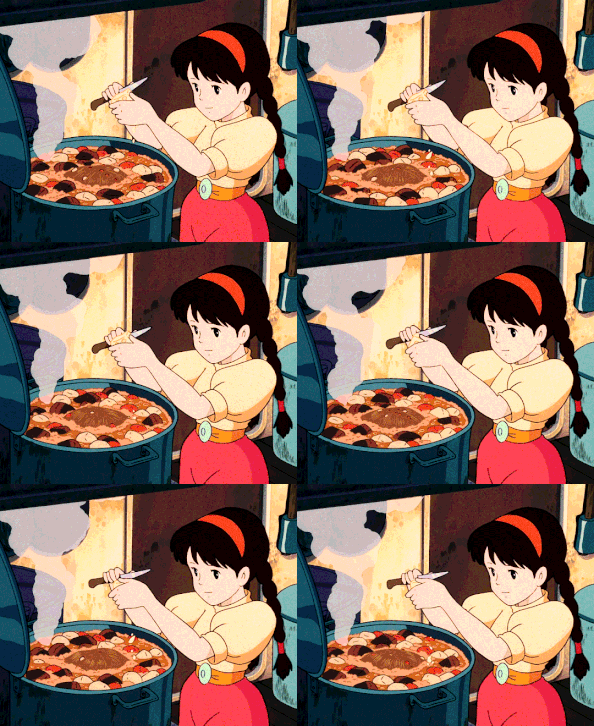
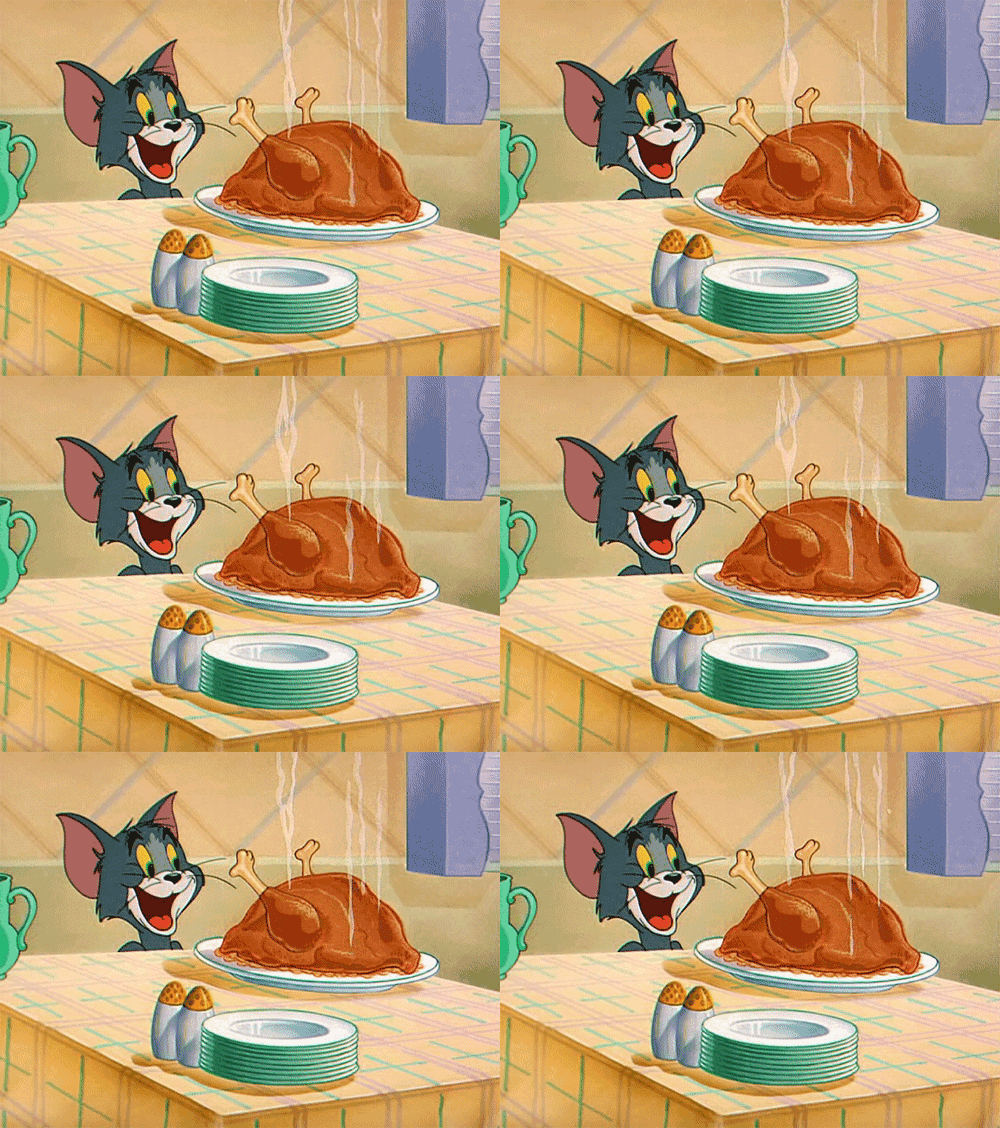

All of these animated foods have made it onto "lists of foods that look more delicious than real food" articles all across the Internet, and they certainly do look delicious. And they inspire emotion in us, too; nostalgia, for instance, is a strong factor here, as is our reaction to the color and movement of the food itself. Two of these images feature steam blowing into the air from the hot food, and the third image has the goopy texture of a rich cake. We respond to these characteristics viscerally, and that, combined with the potential for context that also tugs on our heartstrings--cooking for one's family, for instance, or any number of narrative choices that might contribute to this--makes animated food a prime example of how we respond to things in media without really thinking about them.Therefore:
"...food can actually be consumed visually and that this constitutes an act of ingestion that shapes and conditions our sense of taste alongside the actual food we consume. Our own perspective reflects the idea that we can no longer consider the virtual and actual consumption of food as distinct from each other. When we enjoy food images on film, they make us hungry for “real food,” just as “real food” makes us hunger for images of food on the screen. When we feast our eyes on food films, we genuinely feast."9Preparation of food in animation is often romanticized or simplified into something enjoyable, or at least silly, which also takes away much of the dirty work/associations of making food. Real-life food cannot have that connotation, though, because it is so situated in our reality that we may find it difficult not to subconsciously consider how it was prepared for the show or movie we are watching.Animated food, however, gets a free pass, and oftentimes looks all the more delectible for it.
the implications...
Narratives
Food of any type in any media will, of course, inherently include assumptions about the nature of food/eating simply by virtue of being shown within a pre-written narrative. In the much-lauded animated food film Ratatouille, the narrative around food centers around haute cuisine and the class dynamics that clash around an interloper trying to enter that culture. The actual animation of the food matches this narrative; it is bold, light-catching, and oftentimes centered in the frame:
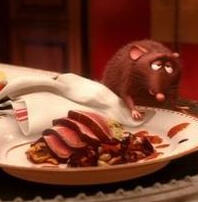
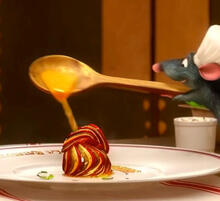
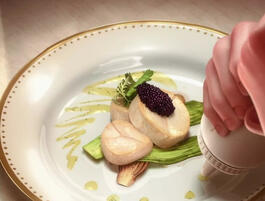
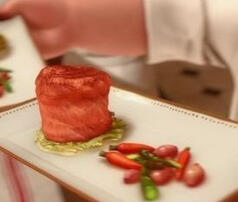
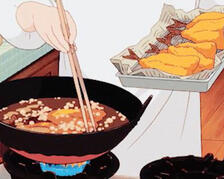
The narrative around food in this film is clear: food can be art and cooking a skill that, while possible for "anyone" to achieve, can only be perfected by a particularly talented person.The ability of (animated) food in media to formulate these implications is true outside of this singular case study. In Tom and Jerry cartoons, food is an object of desire and indulgence that can be a centerpiece for various hijinks. Food in Studio Ghibli cartoons often functions as a signifier of care and love, specifically familial love8, an interpretation in line with the round, colorful, thickness of their food animation:



In much the same way as any object in media, food is often given specific roles and meanings to convey, and those meanings are often just as much a reflection of itself as food as they are of whatever point the narrative is trying to make.
studio ghibli

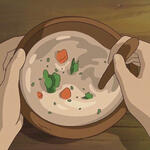

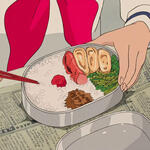
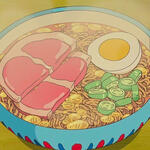
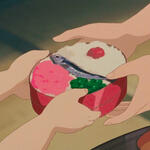
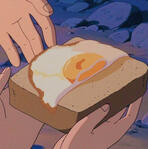
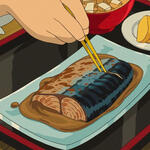
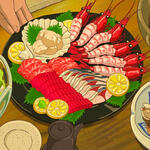
nostalgic colorful thick emotional character driven realistically unrealistic
Studio Ghibli food has long been a favorite amongst fans of animated food. Meticulously animated, lit, and colored, Studio Ghibli food strikes a balance between being art and being delicious. It almost always has a meaningful connection back to the narrative, making it that much more enticing.
disney
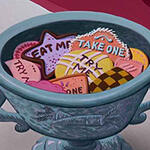
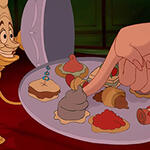
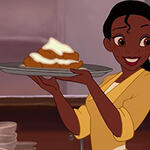
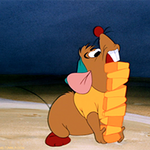
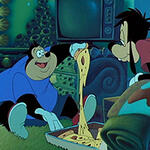
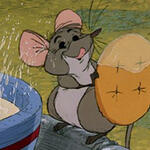
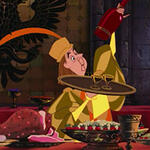
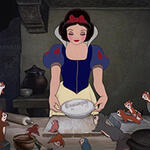
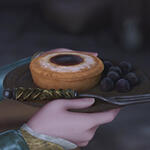
aesthetic colorful used as prop character driven (mostly) realistic
Disney food was and remains a staple in the American childhood. Romanticizing Disney, especially right now, is a little irresponsible, but this would be an incomplete discussion without their inclusion. Disney food is often playful, character-driven, and often serves a humorous function in narratives.
TV cartoons
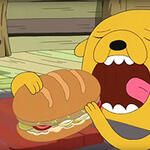
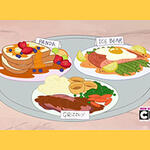
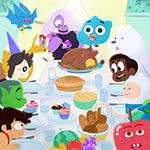

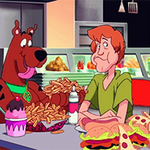
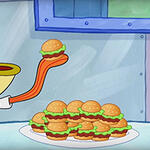
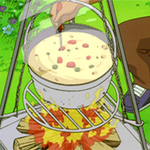
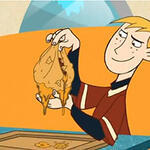
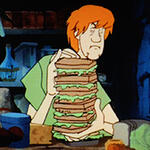
one-dimension colorful slapstick humor/props extremely cartoony
This category covers a wide range of animated food, though most of it has these central characteristics in common: simplistic animation and humorous function within the narrative. The food may still look good, but that is often a secondary trait. These foods are often "characters" themselves, and tend to be memorable as such.
other/independent
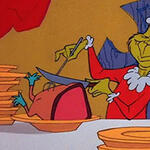
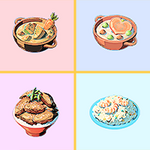
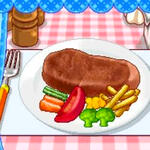
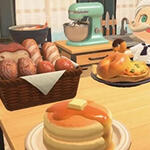
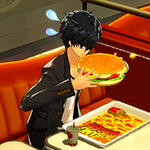
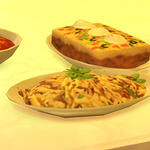

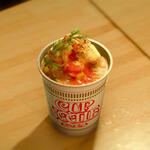

eclectic stylized
Animated food from video games and independent studios represent a swath of content that is beyond the scope of this more general investigation, though many of what has been discussed applies to these examples as well. Food outside of the mainstream channels often has the ability to be more stylized, specific, and representative of cultures beyond those that are hegemonic in the animation industry as a whole.